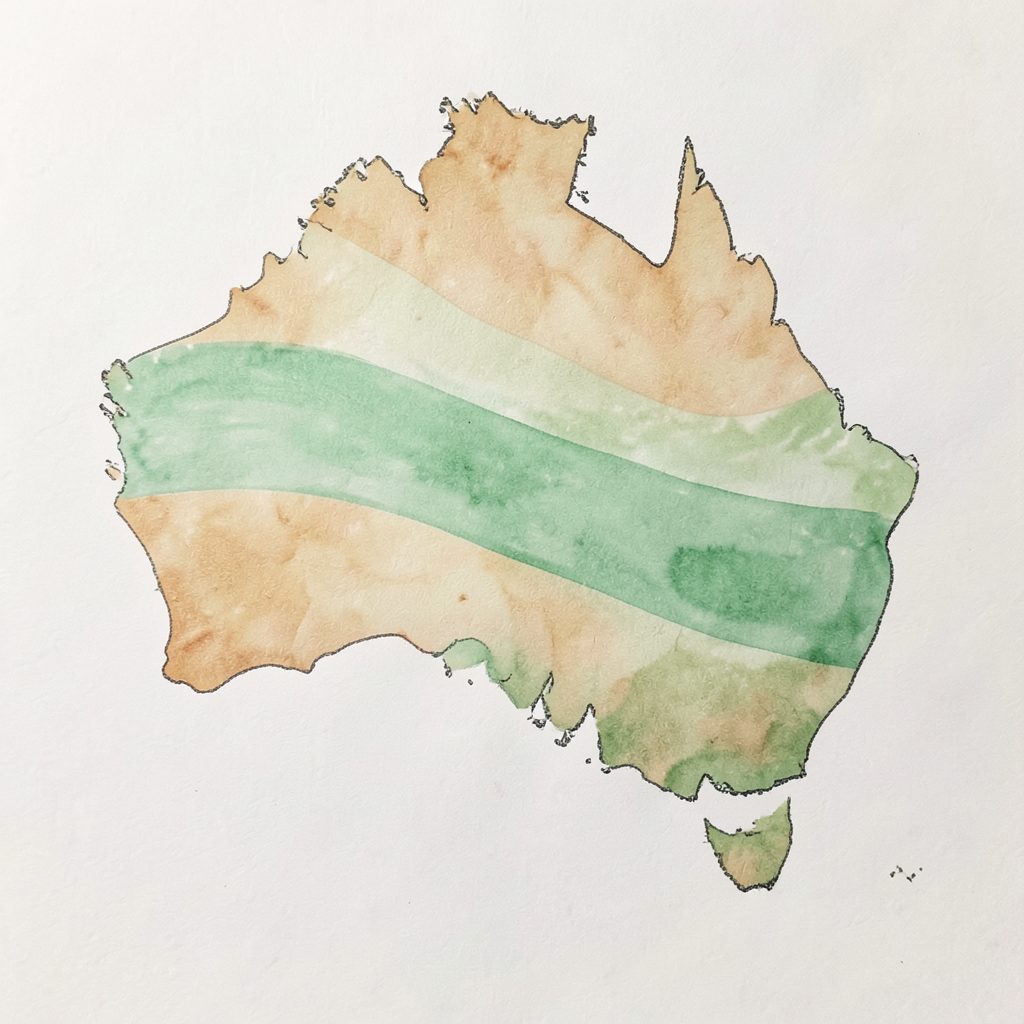
Find out what to plant right now based on your climate. Month-by-month planting advice with a focus on cool-climate Australian growing conditions.
Know Your Climate Zone
Before you put anything in the ground, it pays to understand your local climate zone. Australia spans tropical, subtropical, arid, temperate, and cool regions — and what thrives in one zone may struggle in another. The planting advice here is tailored for cool-climate gardeners, where frosts, shorter growing seasons, and chilly winters shape the veggie patch calendar.
Not sure about your zone? Check the Planting Guides page for resources that help you identify your climate and match your planting schedule to local conditions.
Month-by-Month Planting
Each month brings new opportunities in the cool-climate veggie garden. Here's a snapshot of what to focus on as the seasons turn:
Autumn (March – May)
Autumn is prime time for getting winter crops established. Sow leafy greens like spinach, kale, and silverbeet; root vegetables including carrots, beetroot, and radishes; and alliums such as garlic and spring onions. It's also the moment to plant out brassica seedlings — broccoli, cauliflower, and cabbage — so they can settle in before the cold really bites.
Winter (June – August)
Growth slows but doesn't stop. Focus on hardy performers: broad beans, peas, and winter lettuces. In many cool-climate areas you can still get garlic cloves in the ground. This is also a great season for planning — map out your spring beds, order seeds, and give your tools some TLC.
Spring (September – November)
As the soil warms, the planting window opens wide. Tomatoes, capsicums, zucchini, cucumbers, and beans can all go in once frost risk passes. It's also the time for herbs like basil, parsley, and coriander. Keep an eye on overnight temperatures and have frost cloth ready for those sneaky late cold snaps.
Summer (December – February)
Warm-weather crops hit their stride. Keep succession-planting quick growers like lettuce, rocket, and bush beans. Mulch heavily to conserve moisture, and stay on top of watering — cool-climate summers can still deliver heatwaves. Late summer is the moment to start thinking about autumn seedlings again.
Cool-Climate Tips
- Start seeds indoors or in a cold frame to extend your growing season at both ends.
- Use wicking beds or self-watering setups to manage moisture through dry spells — the site's Gardening section covers how to build them.
- Embrace season extension: cloches, row covers, and mini polytunnels can buy you weeks of extra harvest time.
- Rotate your crops to keep soil healthy and reduce pest and disease pressure year after year.
Want a ready-made plan?
Browse the Planting Guides collection for downloadable guides — including the Foodcube Autumn & Winter Harvest Planting Guide, themed garden planners, and more.