Grow Your Own Veggies, Down Under Style
Welcome to Growing Vegetables Down Under — your go-to resource for growing vegetables in Australian conditions. Browse planting guides, shop gardening products, explore free resources, and join a community of home growers.
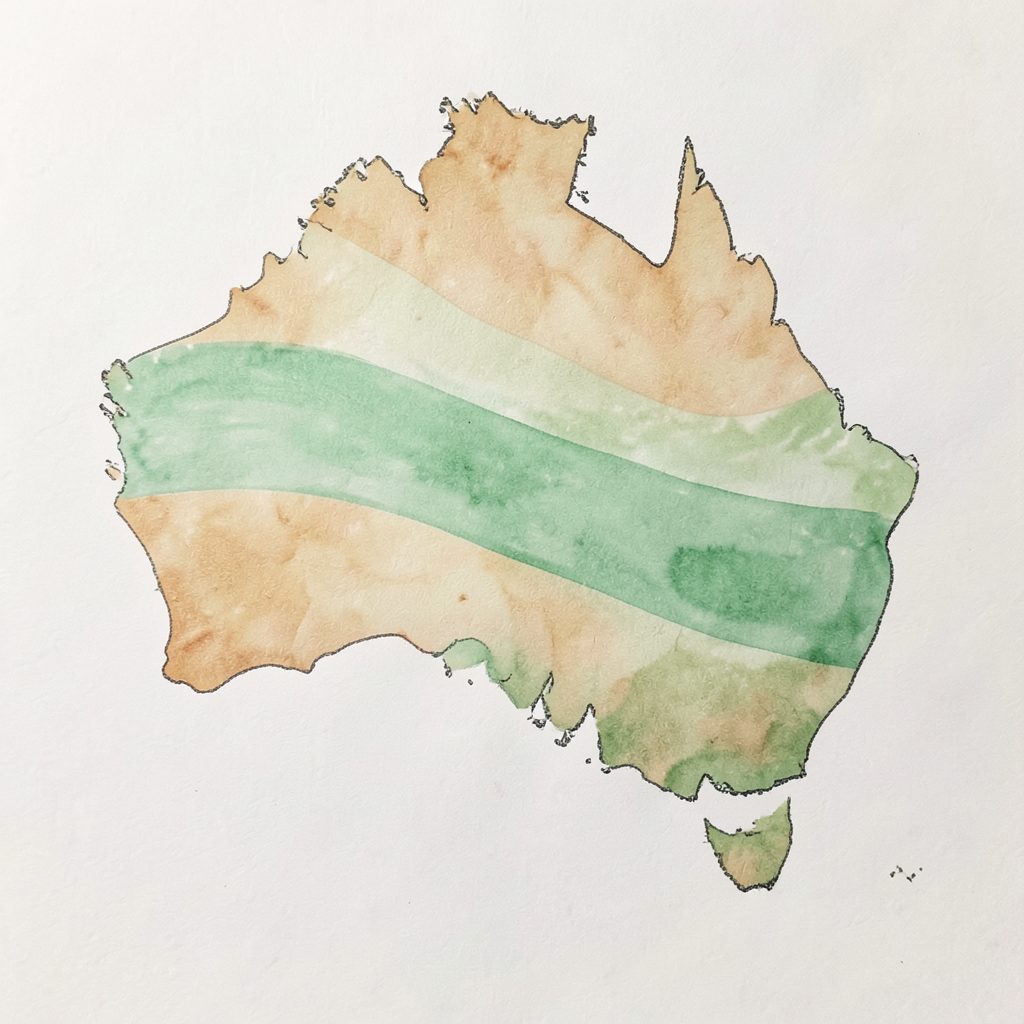
What We Offer
Planting Guides
Free seasonal guides tailored for Australian cool-climate gardens.
Online Courses
Free online courses for beginners and experienced growers alike.
Podcast
Tune into the Growing Vegetables Down Under podcast for tips and inspiration.
Microgreen Kits
Everything you need to start growing microgreens at home.
Shop
Plant markers, planters, seed storage, gardening kits, and gifts for gardeners.
From setting up garden beds and wicking beds to crop rotation, raising seedlings, natural fertilising, composting, and managing pests — we cover every stage of the vegetable gardening journey with practical, friendly advice.
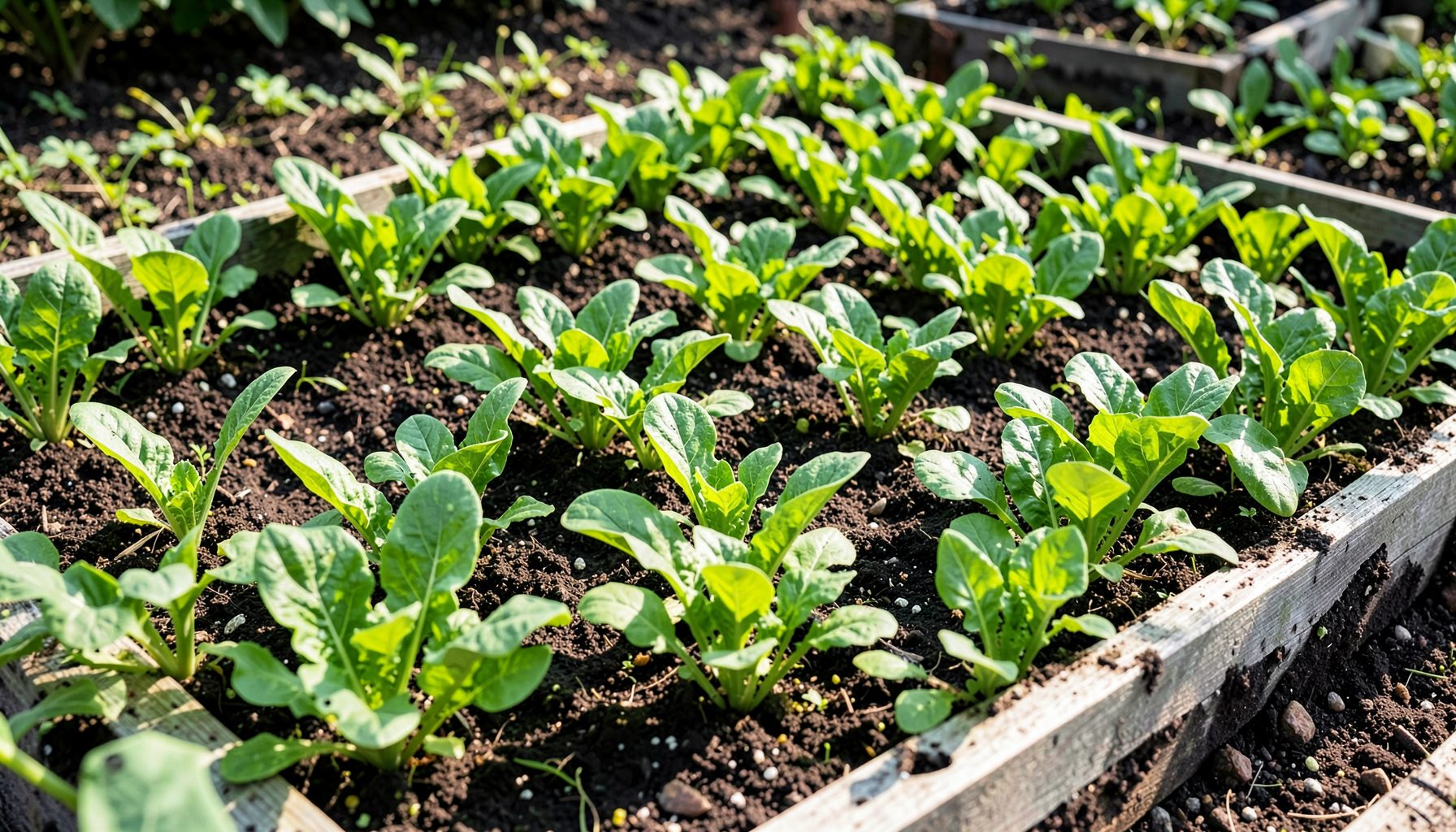
Plant Now — What to Grow This Month
Find out what to plant right now based on your climate. Our month-by-month planting advice focuses on cool-climate Australian growing conditions so you always know what's in season.
See This Month's PicksPopular Gardening Topics
Setting Up
Garden beds, wicking beds, and filling your bed the right way.
Planting
Crop rotation, raising seeds and seedlings, plant profiles, and companion plants.
Water & Soil
Water-saving techniques, natural fertilising, composting, Bokashi, worms, and seaweed.
Small Spaces
Growing vegetables indoors and making the most of compact gardens.
Pests & Disease
Managing aphids, fungus, and other common garden challenges.
Kids' Activities
Fun, hands-on gardening projects to share with children.
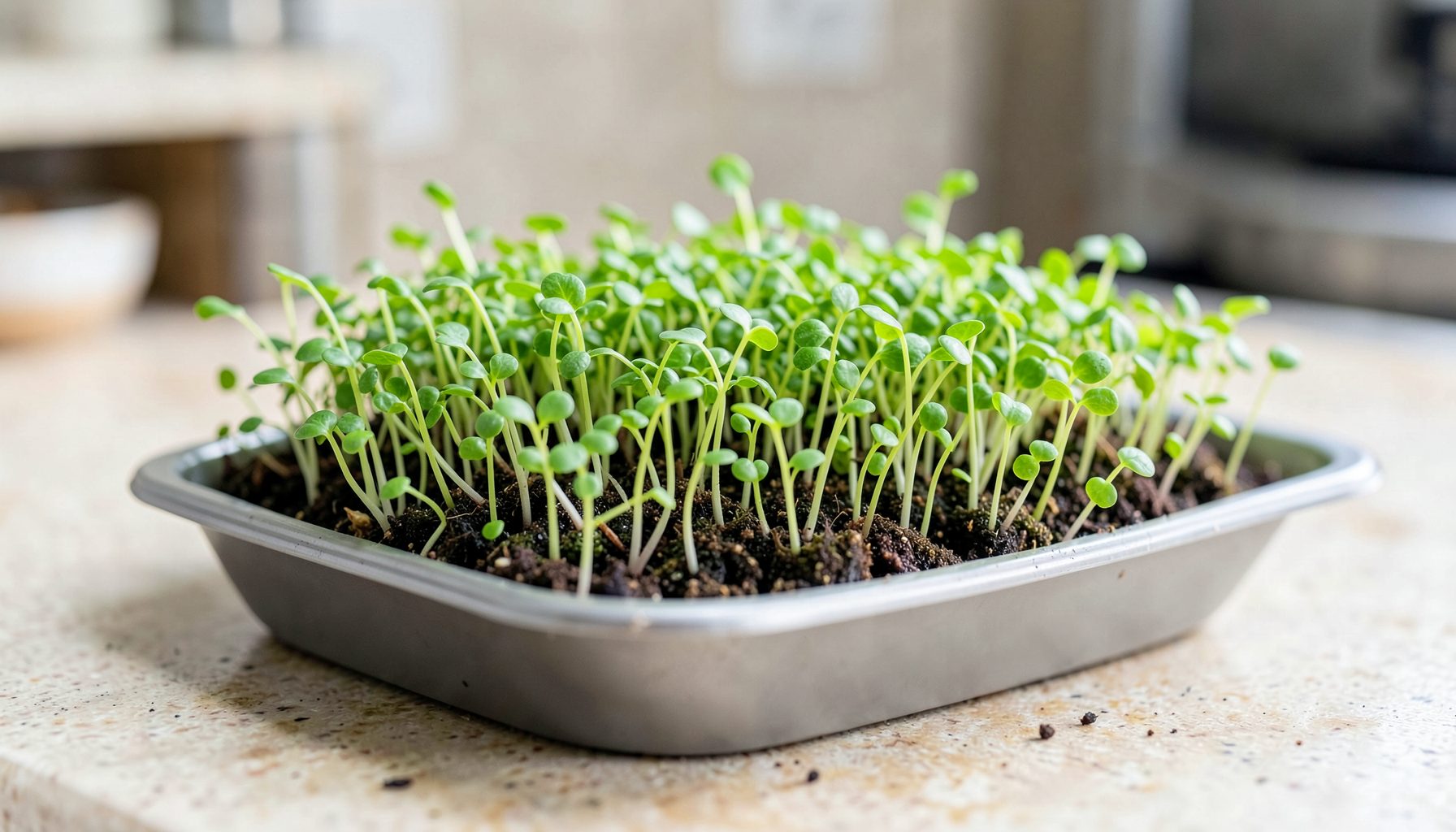
Microgreens — Grow Fresh Greens Indoors
After a long day tending your garden, it's nice to unwind with a bit of fun. Check out some exciting bonus offers at https://playcrocobonuscodes.com/ for a quick break. Discover the difference between sprouts and microgreens, why they're worth growing, and how to grow a salad garden indoors without soil. Our Microgreen Kits make it easy to get started.
Explore MicrogreensGrowing vegetables in Australian conditions comes with its own set of rewards and challenges, and that is exactly what this resource is designed to address. From the cooler southern climates to the warmer northern regions, understanding your local environment is the first step toward a productive garden. Seasonal planting guides help you know precisely when to sow and harvest, taking the guesswork out of the calendar. Whether you are working with a small balcony space or a sprawling backyard plot, the principles of good soil preparation, consistent watering, and attentive pest management apply across the board. Building confidence in the garden starts with reliable information, and there is plenty of it here for growers at every stage of their journey.
New growers often wonder where to begin, and the answer is simpler than many expect. Start with the soil, because healthy soil is the foundation of everything that follows. Adding organic matter, practising crop rotation, and avoiding compaction all contribute to a thriving growing environment. From there, selecting the right vegetables for your climate and season makes all the difference. Cool-climate gardeners might lean toward leafy greens and root crops in the cooler months, while summer brings opportunities for tomatoes, beans, and other warm-season favourites. With each successful harvest, confidence grows, and the garden becomes a place of ongoing learning and quiet satisfaction.
Pests and diseases are part of every gardener's reality, but they need not be overwhelming. Learning to identify common problems early is the key to managing them effectively. Many issues can be addressed through simple, natural methods such as encouraging beneficial insects, practising good hygiene in the garden, and choosing disease-resistant varieties. Companion planting offers another layer of protection, with certain plant combinations helping to deter pests or improve growth. Regular observation is perhaps the most underrated tool available to any gardener. A few minutes each day spent walking through the beds and checking leaves and stems can prevent small problems from turning into serious setbacks.
Water management is a topic that deserves careful attention, particularly in a country known for its variable rainfall. Efficient watering practices not only conserve a precious resource but also produce healthier, more resilient plants. Deep, less frequent watering encourages roots to grow downward, making plants better equipped to withstand dry spells. Wicking beds and self-watering systems offer clever solutions for those who want to reduce the time spent with a hose in hand. Mulching helps retain soil moisture, suppress weeds, and regulate soil temperature throughout the year. Understanding the specific needs of different crops, and adjusting watering schedules as seasons change, is a skill that pays dividends in both yield and plant health.
Fertilising is about more than simply feeding plants; it is about building a living, balanced soil ecosystem. Organic options such as compost, aged manure, and seaweed-based products provide a slow release of nutrients that plants can use steadily over time. Understanding the role of nitrogen, phosphorus, and potassium helps gardeners make informed decisions about what to apply and when. Over-fertilising can be just as problematic as under-fertilising, leading to lush foliage at the expense of fruit production or causing nutrient imbalances in the soil. Testing your soil occasionally and observing how your plants respond will guide your approach. A thoughtful fertilising routine supports strong growth, abundant harvests, and long-term soil health.
Seed saving is a practice that connects gardeners to the full cycle of plant life and offers both economic and environmental benefits. Collecting seeds from your best-performing plants allows you to gradually develop varieties that are well-suited to your specific conditions. Proper storage is essential, as seeds need cool, dry, and dark conditions to remain viable for future seasons. Beyond saving seeds, raising seedlings at home gives you greater control over the varieties you grow and the timing of your plantings. Seed-raising equipment, quality potting mix, and a little patience are all that is needed to get started. There is something deeply satisfying about growing a plant from a seed you saved yourself the previous season.
The garden can be a wonderful place for children to learn about where food comes from and to develop a lifelong appreciation for nature. Involving kids in simple tasks like planting seeds, watering seedlings, and harvesting ripe vegetables helps build confidence and curiosity. Fast-growing crops such as radishes, beans, and cherry tomatoes provide quick results that keep young gardeners engaged. Creating a dedicated space within the garden for children to call their own encourages ownership and responsibility. Gardening also offers natural opportunities to discuss topics like insects, weather, and the environment in a hands-on, memorable way. These experiences often become cherished childhood memories that carry into adulthood.
For those who want to deepen their knowledge, courses and podcasts offer flexible ways to learn from experienced growers. Online learning allows you to progress at your own pace, revisiting lessons whenever you need a refresher. Podcasts are particularly well-suited to busy schedules, providing inspiration and practical advice while commuting, cooking, or working in the garden itself. Topics range from soil health and composting to seasonal planning and troubleshooting common problems. Engaging with a community of like-minded gardeners, whether online or in person, enriches the experience and provides a valuable support network. There is always something new to learn in the garden, and these resources help ensure that growth never stops.
Ultimately, growing your own vegetables is about more than the produce you harvest. It is about reconnecting with the natural rhythms of the seasons, gaining a degree of self-sufficiency, and creating a healthier lifestyle for yourself and your family. Even a modest garden can yield surprising quantities of fresh, flavourful food while reducing your reliance on store-bought produce. The practical skills you develop, from composting to crop rotation, are transferable and build on themselves year after year. Whether you are just starting out or have been gardening for decades, there is always room to try something new, refine your methods, and share what you have learned with others. The journey is as rewarding as the destination.